The Red Queen Workshop
A full-day working session designed for small leadership teams (3–8 people) to turn AI from experimentation into a clear, structured plan.
This is not a talk.
It is a working session where your team leaves with decisions made and actions defined.
What this workshop does
Most organisations are already “doing AI”.
Tools are in use pilots are running and people are experimenting. But the core business has not changed.
This workshop helps your leadership team answer one question:
Where should AI actually move our business forward, and how do we make that happen?

Opening: The Red Queen Reality
We start by looking at how AI is changing the pace of business.
Not as theory, but through real examples:
- Companies that moved early and changed structure
- Companies that stayed busy but lost ground
The goal is simple:
Identify where your organisation is running, but not progressing.
Aligning AI to your Vision
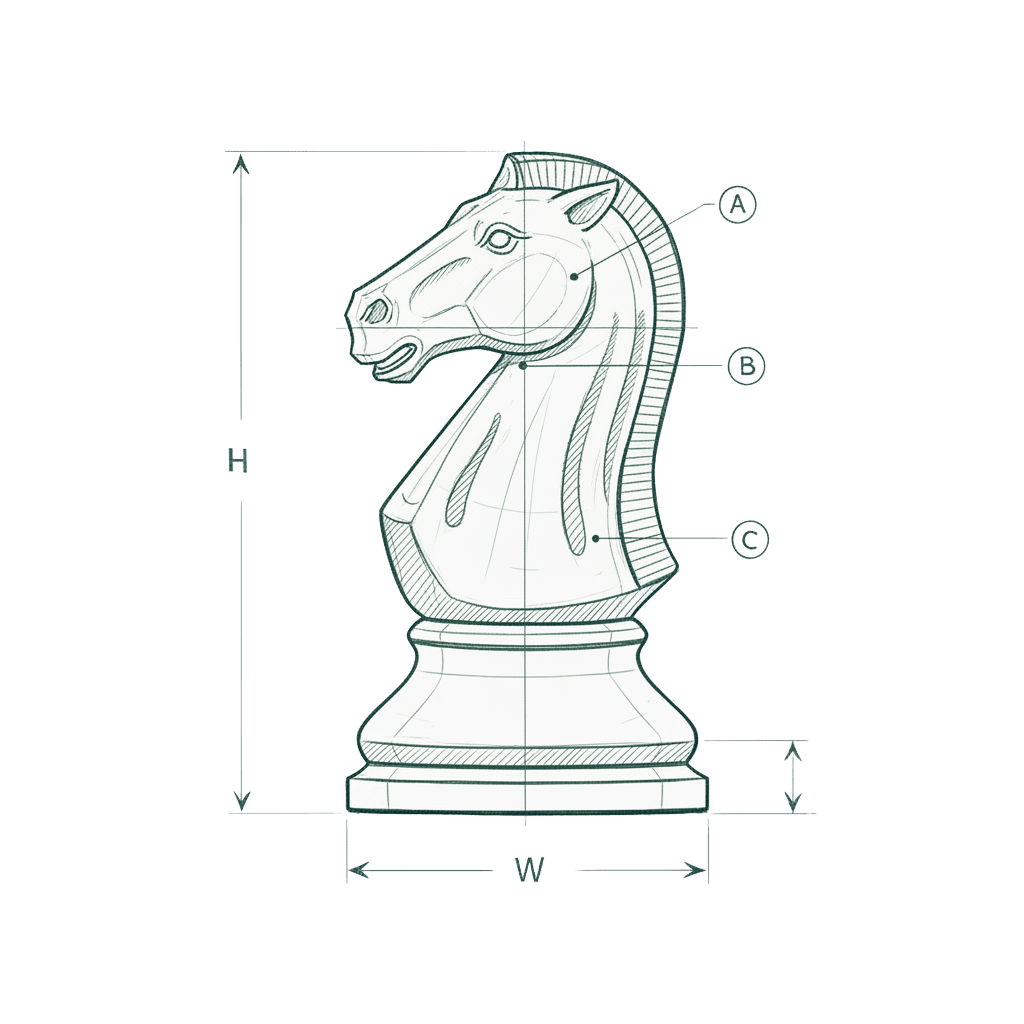
Most companies say they want to be “AI-first”.
Very few define what that means.
In this session, we work with your team to:
- Clarify where you win today
- Define what you want to be best at
- Identify how AI strengthens that position
You leave with a clear, simple vision statement that connects AI directly to your strategy.

The Seven
The 7 Change Factors
AI adoption is not a technology problem. It is a change problem.
We assess your organisation across seven factors:
- Urgency: People must believe that standing still is riskier than moving.
- Coalition: Change needs a group with influence, not a single champion.
- Vision: Everyone must understand what “better” looks like in practical terms.
- Communication: The message must be repeated until it becomes normal.
- Remove Obstacles: Anything that blocks action must be identified and cleared.
- Short-Term Wins: Visible results must appear early to build belief.
- Anchor the Change: New behaviour must become part of how the organisation works.
Each is scored and discussed as a group.
The result: A clear view of what is blocking progress, and where to focus first.

Defining your M.O.A.T.
Not all AI projects are equal.
Many improve internal efficiency but do nothing for competitive advantage.
We use the MOAT framework to filter your opportunities:
- Market – where you compete
- Opportunity – where value is created
- Architecture – how systems support it
- Trust – how confidence is built and maintained
You leave with a shortlist of AI opportunities that strengthen your position, not just your processes.
AI Maturity Model (AIMM)
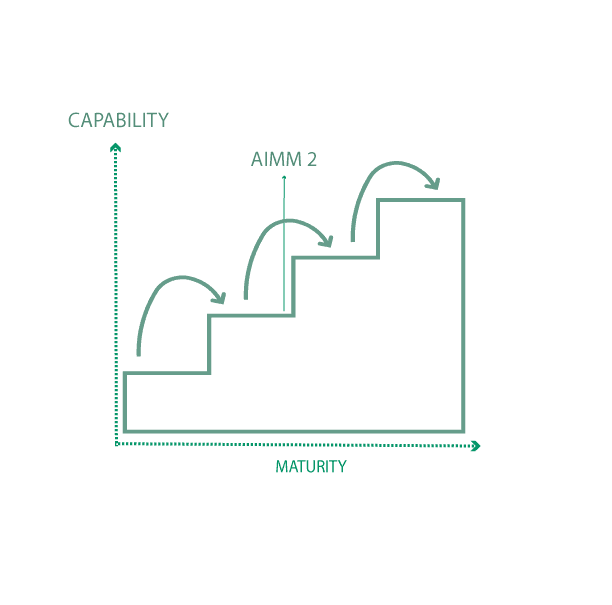
We assess where your organisation sits on a simple maturity scale:
- Curiosity
- Experimentation
- Structured adoption
- Strategic integration
- AI-native
This creates alignment on:
- Where you are today
- What is missing
- What the next step looks like
Defining Quick Wins and Strategic Bets
We move from strategy to action.
Your team will:
- Score potential AI initiatives
- Select 1–2 quick wins (30–60 days)
- Identify 1–2 longer-term strategic bets
For each, we define:
- Owner
- Timeline
- Success metric
This ensures the workshop leads directly to execution.
What you leave with
At the end of the day, your team will have:
- A clear AI-aligned vision
- A scored change readiness map
- A shortlist of high-value AI opportunities
- A defined maturity level (AIMM)
- A 90-day action plan with named owners
Format
- Duration: Full day (6–7 hours) or in 2 parts
- Group size: 3–8 participants
- Format: Facilitated workshop (not a lecture)